Ace Breaking News – In short: The winner of a Nikon image and video competition has been disqualified after using AI. Days after the winner was announced, microscopy experts started to question the accuracy of the clip on social media: By Daniela Pizzirani Published: Sat 10 Oct 2026 at 4:01pm
What’s next?
The international competition has since named a new winner.
Nikon said the video broke the rules of the annual Small World In Motion competition that awards the best photos and videos taken through the lens of a microscope.
The video, taken by Ning Xu, an optical engineering researcher at Tsinghua University in China at the time, “did not comply with the competition rules regarding generative AI,” Nikon said in a statement.
The decision is based on the video’s eligibility and was not a judgement of the entrant’s professional reputation or scientific contributions, Nikon said.
The contest controversy
Days after the winner was announced, microscopy experts started to question the accuracy of the clip on social media.
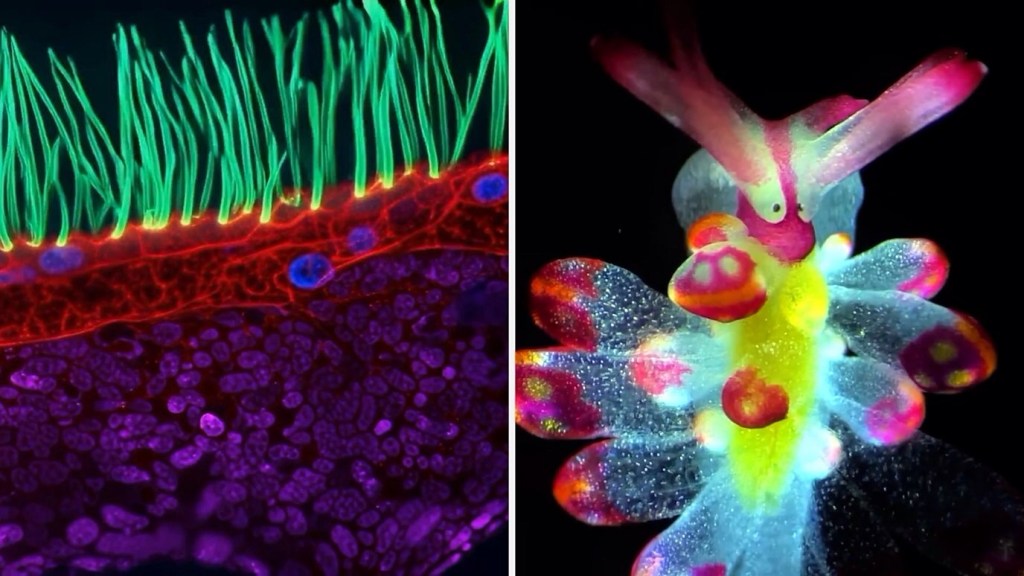
The winner’s video showed tiny hair-like structures fluttering in the airways of a child with the rare genetic disease, primary ciliary dyskinesia (PCD).
Dr Xu’s video, magnified to 100 times in size, showed cilia that line airways to clear out mucus.
His video claimed to use a series of complicated light waves to illuminate different parts of the sample in colour, allowing researchers to gain a better understanding of PCD.
Edward Phelps, an associate professor at Florida University, said the images of nuclei “do not behave as nuclei” and that the cilia “appear from nowhere and do not match the known size”, in the comment section of a LinkedIn post made by Nikon.
The post has since been deleted by Nikon.
The microscopy community wrote an open letter to the competition, calling for the winners’ work to be externally examined.
“A potentially misleading portrayal of PCD is shaping public understanding of an already poorly understood rare disease,” the letter stated.
It called on clinicians and researchers who diagnose and study PCD to sign the letter and push for Nikon to enforce its own rules.
The new winner
Following the controversy, Vietnamese researcher Nguyen Nam Nhat was awarded first place for a video of a microscopic roundworm encountering a single-celled organism called a Dileptus.
The video initially took second place.
In September, the ABC announced the winners of the competition, which first started in 1975.
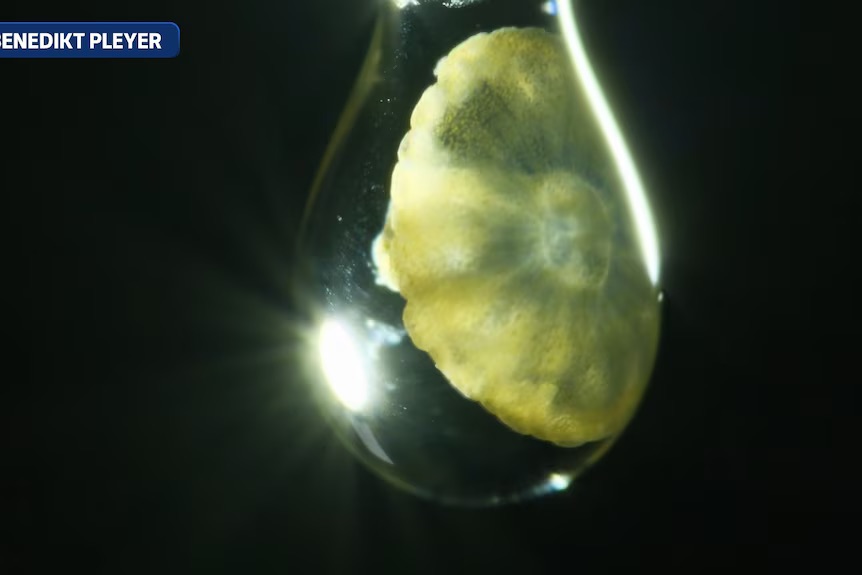
The video was one of dozens highlighted in the competition, including baby jellyfish in ocean drops and bioluminescent sparkles.
The winner receives a prize worth US$3,000 ($4,300).
The competition is open to anyone around the world with an interest in film or time-lapse photography through a microscope.
The ABC has reached out to Dr Zu for comment.
At Sterling Publishing & Media Service Agency, we prioritise transparency and accountability in all our operations. We wish to clarify that we are not responsible for any external content, hyperlinks, or costs associated with our services. Nevertheless, we remain committed to delivering outstanding services and greatly value your continued support. Thank you for your trust in us.

