Ace Health Desk – In short: The medicines regulator has proposed stricter testing rules after 16 sunscreens failed to meet their SPF claims. After ABC Investigation. The possible changes also cover the way sunscreens are labelled and laboratory testing is conducted: By national health equity reporter Rachel Carbonell and the Specialist Reporting Team’s Loretta Florance Published: Tue 27 Oct 2026 at 10:06am
What’s next?
Some changes could be implemented soon but others will require further consultation and possible legislative amendments.
The consumer group whose testing sparked last year’s sunscreen scandal has criticised sweeping new reforms for failing to force companies to publicly release their SPF test results.
Under the proposed changes, released today by medicines regulator the Therapeutic Goods Administration (TGA), Australian sunscreen brands would be forced to test the SPF of their products multiple times and provide the results to the TGA before going to market.
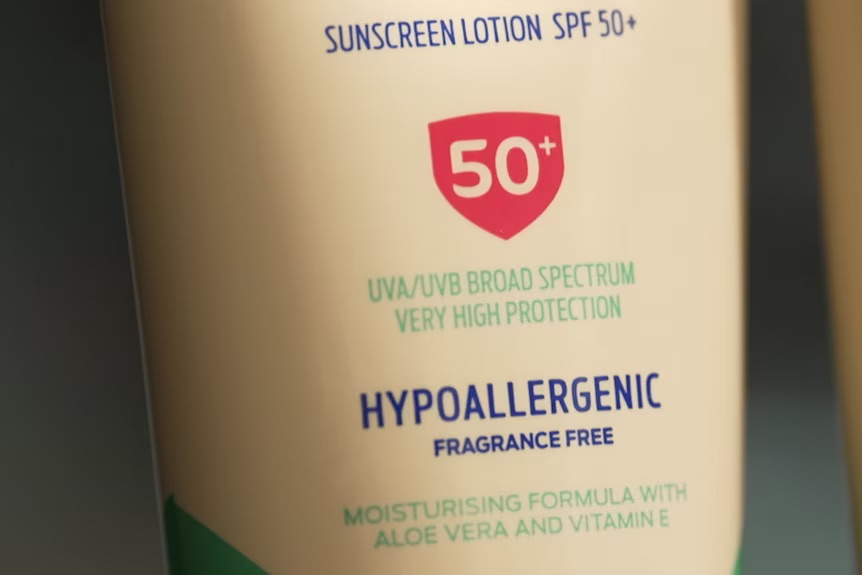
Consumer faith was battered last year when Choice testing revealed 16 out of 20 popular sunscreens failed to meet their SPF label claims.
One 50+ sunscreen that returned an SPF result of just four was later recalled, followed by 19 others that shared the same base formula.
“Our investigation has identified multiple factors that could contribute to low SPF results — not a single cause,” chief medical adviser Robyn Langham said.
“Australians expect the SPF on the label to be backed by robust evidence. These proposed reforms put that expectation at the centre of sunscreen regulation.”
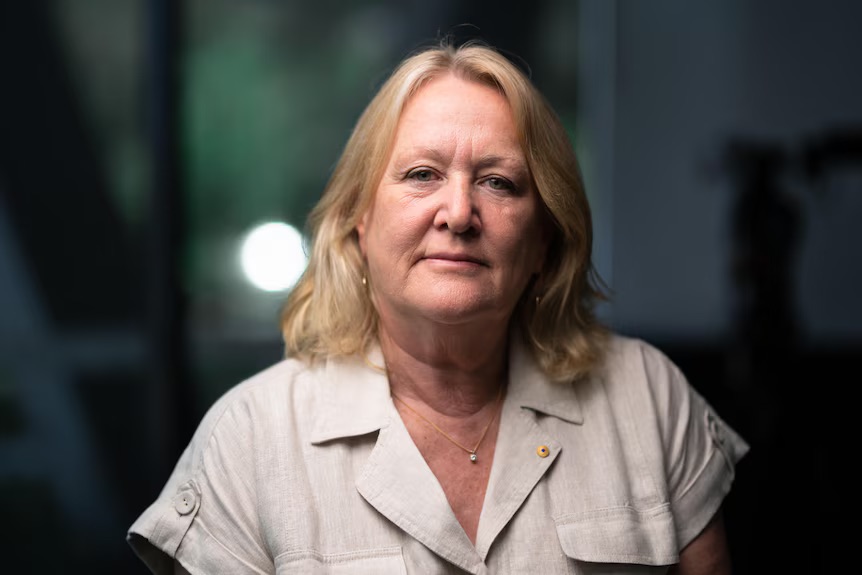
While Choice welcomed the proposed changes, consumer impact director Andy Kelly said it was not enough to force companies to do more testing on their products.
“Unfortunately, the TGA is not proposing to be routinely checking and evaluating the data that’s put before them,” he said.
“We really think that’s something that’s incredibly important that the TGA should be doing, especially because they’re proposing that these test results won’t be made public as well.”
Mr Kelly said that meant Australians still would not be able to check the data behind a sunscreen brand’s claims.
“So we’re still … just a little bit in the dark if that’s the proposal that goes forward.”
The TGA told the ABC some of the changes could be implemented in the short term while others would require further consultation and may need legislative amendments.
Mr Kelly said while Choice appreciated regulation was complex, last year’s sunscreen scandal showed it was well overdue.
“It was quite shocking for us to see the result with so many [sunscreens] failing to meet their claims. I think consumers were rightly outraged by that as well.
“As more came out about how the TGA actually regulates sunscreen and how much reliance is put on manufacturers to do the right thing … change can’t come quick enough.”
SPF testing will not be made public
Currently, sunscreen makers do not have to provide SPF testing data to the TGA unless it is requested, meaning there is limited transparency around the evidence underpinning a rating.
Under the proposed changes, brands would have to test the SPF of their finished product, rather than just the base formula, before listing it with the TGA.
They would also have to continue to test the sunscreen periodically over its shelf life.
Additionally, brands would be required to provide their SPF test results to the TGA on a confidential basis before their sunscreen could go to market.
“This is about making SPF claims more reliable, reinforcing suppliers’ responsibility for their products and giving the TGA faster access to evidence when concerns arise,” Professor Langham said.
But in a document explaining the proposals, the TGA said it would not routinely check SPF testing data before a product hit the shelves.
The TGA considered making SPF testing public. However, in its proposal it noted there were concerns about confidentiality, intellectual property and potential misinterpretation of highly technical SPF data.
The TGA has not released the results of its investigation into Choice’s sunscreen testing more than a year ago, and it is unclear how the proposed reforms will affect sunscreens already on the market.
TGA to expand how sunscreens can be tested
One of the most significant proposed changes is to how sunscreens would be tested before entering the market.
Companies would be allowed to test their products using an in vitro method, which involves testing sunscreen by putting sunscreen onto a plastic plate instead of human skin.
Currently products must be tested using in vivo test methods, which involve applying sunscreen to volunteers and measuring how effective it is under simulated sunlight UV exposure.
The TGA said it made this recommendation due to significant concerns about variability in SPF testing results using the in vivo testing method.
It said in vivo would not be replaced entirely, because the in vitro method might not be suitable for some formulations or water-resistant SPF testing.
Increased oversight of laboratory testing
The TGA has also proposed improvements to oversight of laboratories performing SPF testing because it currently does not regulate or accredit them.
Under the changes, the TGA is proposing strengthened international accreditation of testing labs.
It comes after an ABC investigation revealed more than half of the sunscreens that failed to meet their SPF label claims had used an overseas lab, which had its results called into question by experts.
The TGA acknowledged the measure could make testing more expensive and harder to access.
The TGA said it was still considering changes to how SPF was labelled on sunscreen packaging.
Three options were proposed during consultation, including moving from the current number-based system to a “low”, “medium”, “high” and “very high” format.
Read More: Sunscreen safety advice
Other proposed changes to sunscreen rules include:
- Making the difference between cosmetic and therapeutic sunscreens clearer. Currently, some cosmetic products are able to claim an SPF of up to 50+ without being listed as therapeutic goods.
- Developing quality requirements for sunscreen ingredients in response to a range of views on whether the current regulations provide “sufficient assurance of the quality, safety and efficacy of sunscreen ingredients and formulations”.
- Conducting a review of sunscreen good manufacturing process guidance.
At Sterling Publishing & Media Service Agency, we prioritise transparency and accountability in all our operations. We wish to clarify that we are not responsible for any external content, hyperlinks, or costs associated with our services. Nevertheless, we remain committed to delivering outstanding services and greatly value your continued support. Thank you for your trust in us.

