Ace Business Desk – In depth: ‘This is a real priority for the EU, in almost emotional terms’ by Telegraph News Briefing today
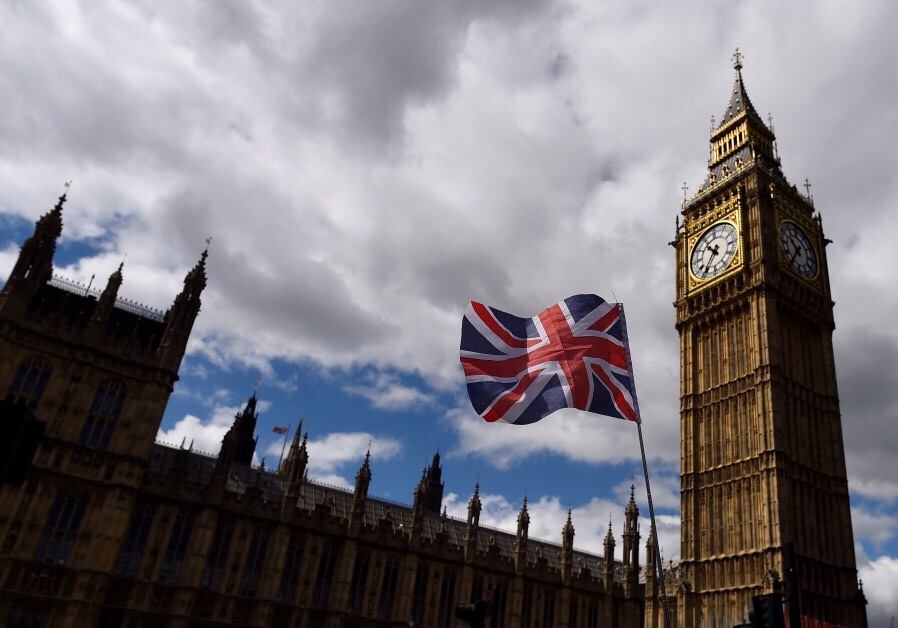
While official discussions about the UK rejoining the EU are not on the agenda this week, there is genuine enthusiasm about the matter.
Ahead of the summit, the pro-Brexit polity has been in broadcast mode: headlines from the past few days include: “Burnham’s plot to rejoin the EU would leave the average UK household £6,500 poorer” (Express); “Taxpayers funding pro-EU university courses” (Sunday Telegraph); “Staggering cost of PM’s EU reset” (Daily Mail).
Stay Out, a new campaign against rejoining the European Union, launched last week. While the guy you really want to hear from right now – David Cameron, the prime minister who lost the 2016 Brexit referendum – has insisted the UK’s problems have nothing to do with its exit from the EU.
Even within the Labour fold, there are rumblings of unease from MPs and unions.
But the one-day summit in Brussels this Friday does not include any formal discussion of rejoining: instead, the EU and UK hope to sign deals on food and drink, emissions trading and the youth experience scheme (a work and study exchange programme).
Still, the mood music is upbeat. Back in September, when Burnham first opened the door to a Brexit reversal, French president Emmanual Macron responded: “welcome back.” while Spanish prime minister Pedro Sánchez said: “Spain would welcome Britain’s return with open arms.”
The enthusiasm is genuine, says Jennifer. Indeed, some European diplomats have told her the technicalities could be wrapped up within a year because the UK remains closely aligned with the bloc in so many areas. “It would be such a vote of confidence in the European project for a country to decide to return after voting to leave”.
Situationship: what’s at stake at this week’s summit?
Though Burnham has predicted “some long nights” of negotiation this week, Jennifer says there’s optimism on each side as the first two deals on food and drink and emissions trading were largely agreed.
There are two sticking points with the youth exchange deal. First, the Home Office wants to limit numbers to the UK to keep migration figures low. Second, there’s disagreement over whether those students would pay UK domestic rates of tuition fees or the international rate, which is four or five times higher for some courses.
The UK is offering concessions on tuition fees if it can join Made in Europe, the EU legislation designed to protect domestic manufacturing from cheap Chinese competition. But the EU says it can’t make a deal on Made in Europe this week, because the law is still at a draft stage.
And here’s where it gets complicated. The European Commission has proposed delaying an agreement on tuition fees for six months, which could allow time to get the UK into Made in Europe, a diplomatic win for Britain. But there’s pushback from member states who want to pin down the UK on tuition fees this week. “This is a real priority for the EU, in almost emotional terms,” Jennifer says. “Lots of EU officials and diplomats studied in the UK, or their children did, and they felt this was one of the big losses of Brexit, that these person-to-person links were being eroded.”
On-again, off-again: what else could get in the way of closer working?
In play at Friday’s summit will also be a future deal on Britain’s return to the EU’s internal electricity market and a joint migration pact, with the UK pushing for access to EU crime databases to tackle the small boats crisis.
Member states are already working hard to smooth things out on the electricity front, to stop it becoming a sticking point. A couple of weeks ago, Jennifer reported on leaders from Germany, Denmark and elsewhere calling for deeper cooperation on clean energy – which she reads as an attempt to head off a row about how much the UK should contribute to EU cohesion funds for the evident privilege of cutting red tape, easing trade and, ultimately, reducing costs.
A similar row over UK contributions scuppered negotiations last year on our entry into a €150bn EU defence fund.
It could also be a challenge for the UK to realign with the EU on farming, after changing to a payment model that puts more emphasis on delivering environmental benefits. And past UK governments have been lukewarm about EU AI regulation, devised post Brexit.
Conscious partnership: will the EU welcome future closeness this week?
I learned long ago there’s no such thing as a stupid question, so I ask mine now: will there be a moment on Friday when Ursula von der Leyen offers the equivalent of Macron’s “welcome back”? Will there be a “just give us six months to sort out the paperwork Andy” vibe?
The European Commission president is, by nature, a cautious politician, Jennifer tells me, so she doesn’t expect anything so specific. “I’m sure she – and António Costa, the European Council president – will get asked about it at the press conference, and they’ll want to send a signal about the UK being welcome to rejoin.”
But behind closed doors, in Brussels and other capitals, what Jennifer hears repeatedly is that it’s up to the UK to decide what it wants. And, while the prospect of Brexiteer Nigel Farage in Downing Street has faded in recent months, there remains a deal of caution about the vicissitudes of UK politics. “Now the Burnham government is exploring the options, but there’s also an awareness that you could have a very different government in a few years’ time,” she says.
It’s not you, it’s me: what else is Europe worrying about?
The EU and its member states are preoccupied with far weightier problems: the war in Ukraine (Volodymyr Zelenskyy attends every EU summit), the rise in support for the far right, street protests, hybrid threats from Russia, a trade deficit with China that has reached a staggering €1bn a day in 2026.
“There are so many other issues crowding on the agenda,” says Jennifer. So it’s not all about us? “That’s actually been the theme of my decade of reporting from Brussels,” she says with a laugh.
There’s profound concern about the prospect of Marine Le Pen winning the French presidential elections next year, which could tip the bloc into a crisis if she pursues her resolutely anti-EU agenda, which includes reducing France’s substantial contribution to the EU budget.
Beyond that, there’s a broader question about increasingly divided and unstable politics across member states. “Every single member state has to agree to the UK’s re-entry,” Jennifer reminds me. “Who knows what the EU will look like in 2030 when Britain could be having a rejoin referendum?”
At Sterling Publishing & Media Service Agency, we prioritise transparency and accountability in all our operations. We wish to clarify that we are not responsible for any external content, hyperlinks, or costs associated with our services. Nevertheless, we remain committed to delivering outstanding services and greatly value your continued support. Thank you for your trust in us.

