GlobalWarming & ClimateChange News Desk – SLUGGISH PACE’: The first week of the COP17 biodiversity summit in Yerevan, Armenia, yielded “slow progress”, said BusinessGreen, as “concerns are mounting over the sluggish pace”. Published: Tue 27 Oct 2026 at 5:15pm
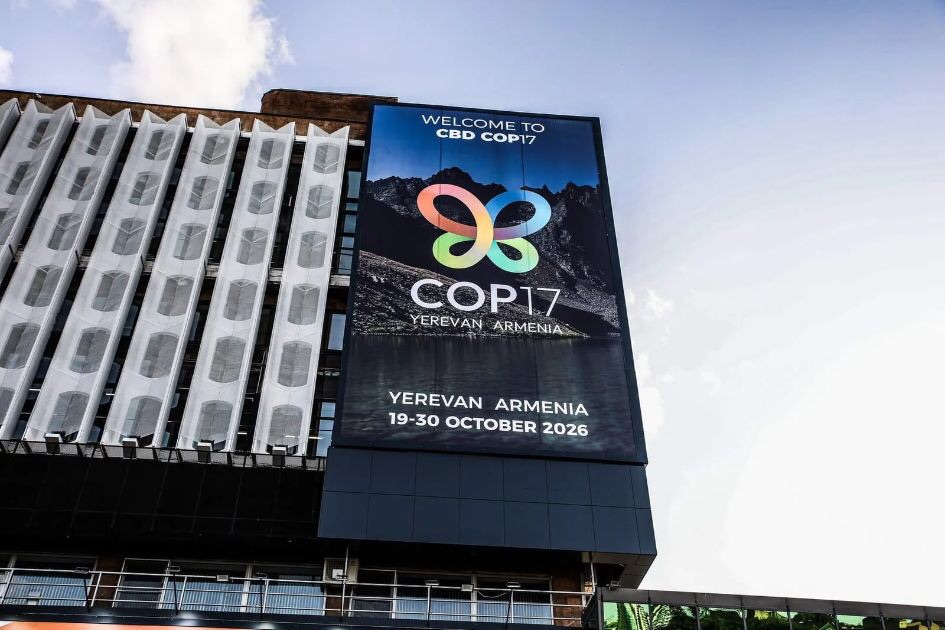
During the stocktaking plenary at the end of the first week, delegates adopted 14 decisions, “but disagreements over conservation finance, corporate contributions and community participation remain unresolved”, reported the Climate Watch. Ministers have arrived in Yerevan to “help bridge political divisions”, it added.
‘VIRTUALLY EMPTY’: The Guardian reported on the “virtually empty” Cali Fund, noting that “no money has so far been given by major pharmaceutical companies”.
Meanwhile, DeSmog unearthed evidence “of lobbying by a leading international pharmaceuticals group to weaken” the fund. A spokesperson for the group told DeSmog that the lack of participation in the fund “reflects ongoing questions about the design and implementation of the mechanism, rather than a lack of commitment to biodiversity”.
CONTENTIOUS CASH: At COP17, “financing remains one of the most contentious issues”, with countries disagreeing over expanding the pool of contributors and how to best ensure that “conservation funding reaches the people protecting ecosystems on the ground”, reported the Dhaka Tribune.
A press release from the Global Environment Facility welcomed five new pledges to the Global Biodiversity Framework Fund, totalling more than $60m. UN biodiversity chief Astrid Schomaker said the pledges are “encouraging signs of growing support for biodiversity finance”.
High costs, falling funds
INDIGENOUS ASKS: Indigenous leaders – alongside women’s and youth groups – have “called for direct access to biodiversity finance and greater decision-making power” to better reflect their contributions to protecting nature, reported the Climate Watch.
Peru Reports noted that the communities protecting Indigenous lands in the Amazon rainforest are facing “high costs, both financial and human”. Other local communities at COP17 have argued that their traditional knowledge is “insufficiently recognised in scientific research and global conservation policy”, according to the News Minute.
30 BY 30: Nature World News covered research published in Nature showing that the world is closer to the global goal of protecting 30% of land and seas by 2030 than previously thought – but that “hitting the area number alone will do little to halt biodiversity loss”. More than 61.5m hectares of protected or conserved areas “overlap with ongoing and planned oil and gas blocks” across the tropics, reported Mongabay.
Analysis from several NGOs showed that annual international financing for protected areas “fell for the second consecutive year in 2025”.
At Sterling Publishing & Media Service Agency, we prioritise transparency and accountability in all our operations. We wish to clarify that we are not responsible for any external content, hyperlinks, or costs associated with our services. Nevertheless, we remain committed to delivering outstanding services and greatly value your continued support. Thank you for your trust in us.

