GlobalWarming & ClimateChange News Desk – On this World Cities Day, we stand just 10 days away from as COP17 ends in Yervan, Armenia and COP31 begins in Antalya, Turkey – the year’s most critical global climate summit With urbanization accelerating at an unprecedented rate, the fight against global warming will be won or lost in our cities according to the 🔎 The big story by Earth Dot Org
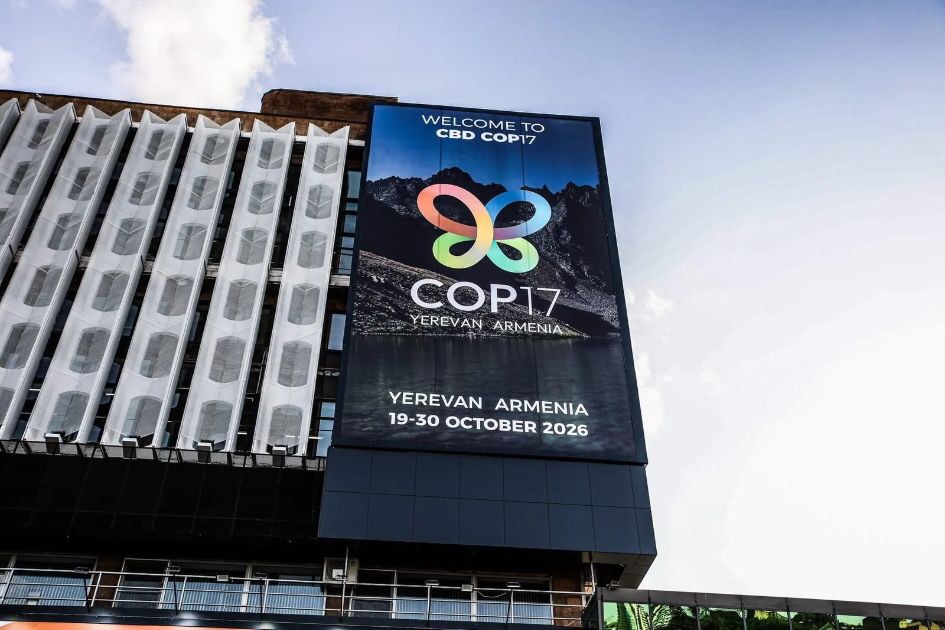
In this edition of the Weekly Dispatch, we explore why urban centers are our greatest asset in decarbonization and why they must be at the very top of the agenda at next month’s climate summit.
This week, the United Nations confirmed that atmospheric concentrations of all three main greenhouse gases – carbon dioxide, methane, and nitrous oxide – surged to historic levels last year, committing the planet to rising temperatures “not just for years but for decades and even centuries.” It came days after another UN report said the Paris Agreement’s 1.5C global warming goal is “no longer viable” and that even the most optimistic scenario sees average temperatures rise to 1.7-1.8C above pre-industrial levels by mid-century.
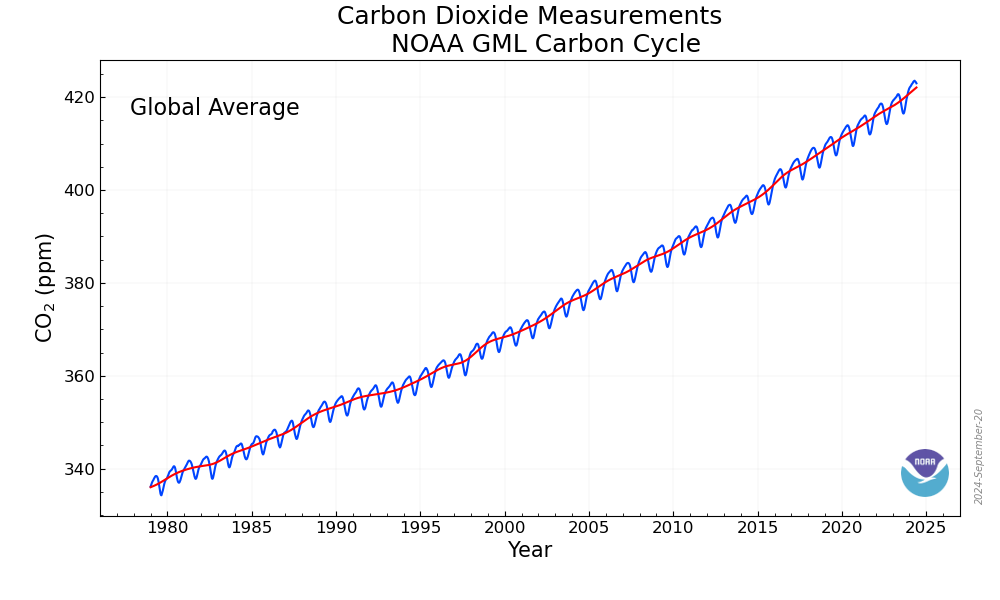
That is unless the world manages to slash emissions by 18% by 2030 and 45% by 2035. This rather ambitious scenario cannot be achieved without the help of cities, which account for 70% of global primary energy consumption and contribute between 67% to 72% of global carbon dioxide emissions.
Some 4.4 billion people – or 56% of the world’s population – live in urban areas. By mid-century, the figure will rise to nearly seven in 10 people worldwide. As the urban population continues to grow, its environmental footprint will expand significantly.
Ironically, cities worldwide are also on the frontlines of the climate crisis, as numerous disasters this year have reminded us. It is estimated that flooding, rising sea levels, wildfires, and extreme heat are already affecting approximately 70% of urban areas worldwide – a number only destined to grow.
Long-awaited recognition
After decades of warnings and in light of more frequent and intense extreme weather events racking up billions of dollars in damages each time they hit, governments are finally beginning to recognize the crucial role that cities can play in achieving a net-zero future. This is according to a recent UN-Habitat report finding that a record 80% of the third and latest round of Nationally Determined Contributions (NDCs) now include “well developed urban measures” – a 49% increase from the previous cycle.
NDCs, ambitious national plans for emissions reduction that each signatory to the Paris Agreement must update every five years, form the foundation of the world’s collective efforts to tackle climate change. The fact that cities – after long being underrepresented – now feature prominently in the vast majority of national climate action plans, is reason for optimism.
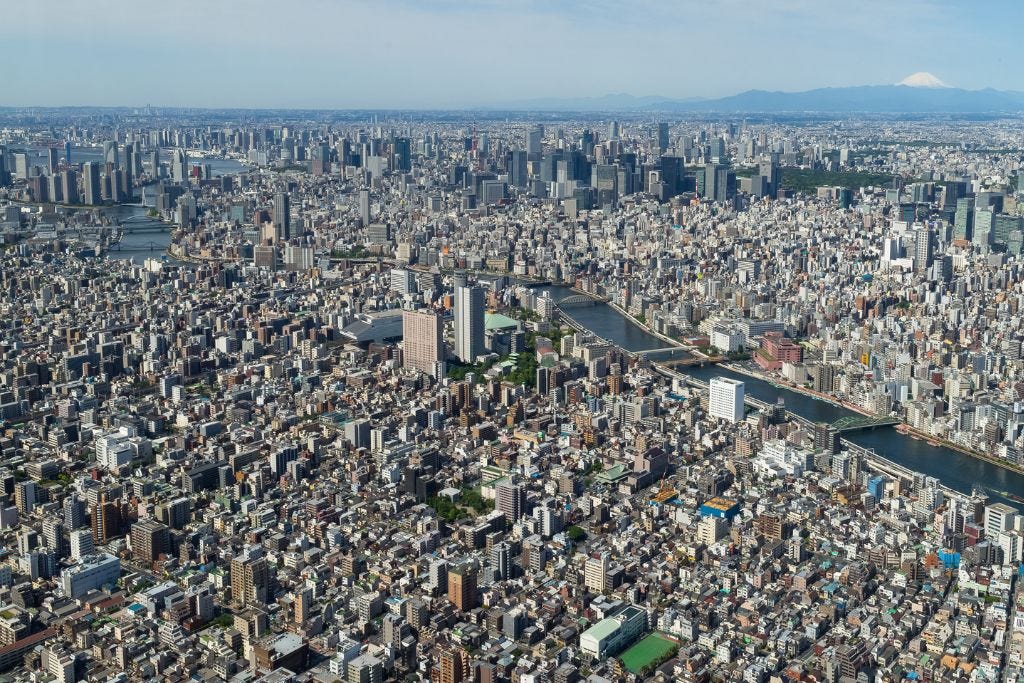
The UN-Habitat’s analysis shows that countries are increasingly prioritizing urban action in buildings, land use, infrastructure, water, and basic services, and they’re recognizing that housing as well as the social and ecological function of land are central to resilient and sustainable urban development.
Keep the momentum going
Cities function as crucial hubs for refining and scaling innovations and are an obvious place to start cutting emissions. Excitingly, some cities have already responded to the call.
Freetown, Sierra Leone’s capital, has planted over 1.2 million trees to mitigate urban heat, while Colombia has turned Bogotá into Latin America’s first cycling capital. Both projects had a huge impact at a very manageable cost.
In Switzerland, Basel became the first city in history to make green roofs a legal requirement for new flat-roofed buildings. Studies show that rooftops cool buildings by up to 5C, cut energy use, and reduce stormwater runoff by roughly 20%.
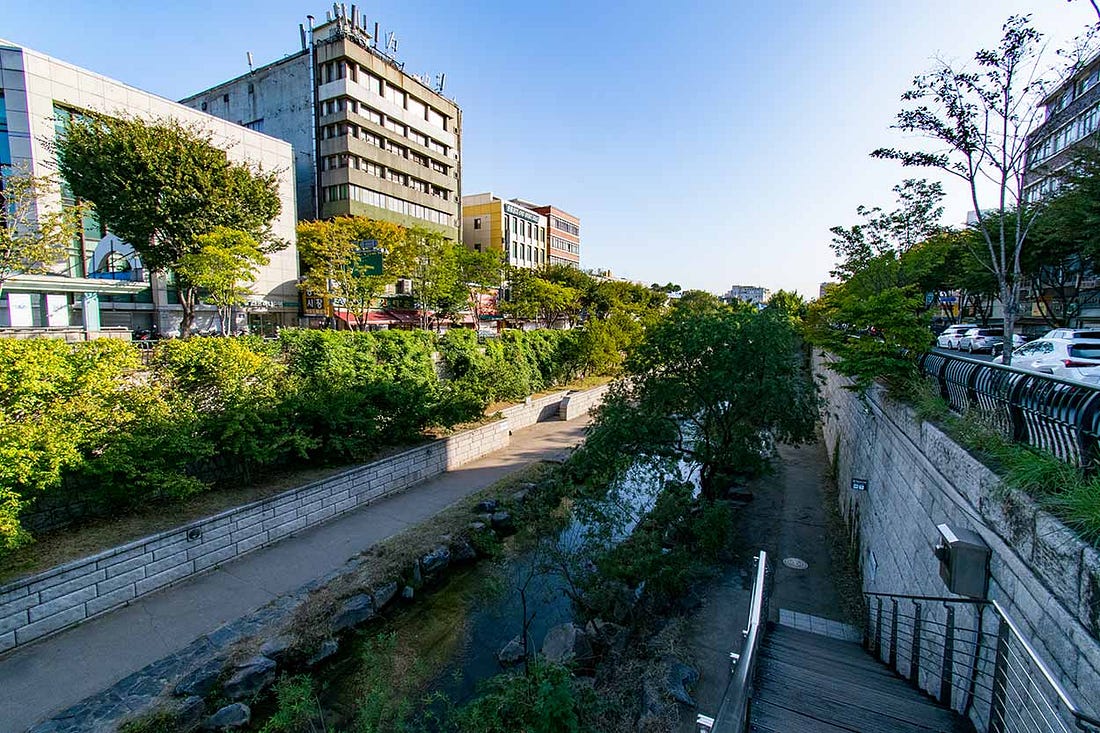
In South Korea, Seoul authorities successfully regenerated the buried Cheonggyecheon River, completely changing the city’s landscape and turning it into a place that people enjoy. Building on the project’s success, the city is now working to revitalize the Hangang River. Over 90% of the river’s embankments have already been restored to natural forms, with soil, sand and vegetation replacing concrete. The city has also planted hundreds of thousands of trees, boosting local carbon sequestration and biodiversity by nearly 30%.
European cities are also increasingly recognizing the value of rivers. In the French capital, the 2024 Olympics inspired a €1.4 billion (US$1.6 billion) cleanup operation to make the Seine swimmable. For decades, the iconic river had been polluted by E. coli, enterococci bacteria and other contaminants from industrial waste, sewage overflow, and urban runoff.
The Seine reopening represented one of Mayor Anne Hidalgo’s last major climate-focused projects in the city before she left office earlier this year. Under her leadership, Paris converted the Seine riverbanks from busy roads to pedestrian-friendly areas and planted some 130,000 trees to create new green spaces across the city. The city government, like London’s and several others across Europe, also implemented car bans in certain areas, hiked parking fees for SUVs, closed roads in front of schools, and expanded sidewalks – interventions that had a notable positive impact on emissions and air pollution.
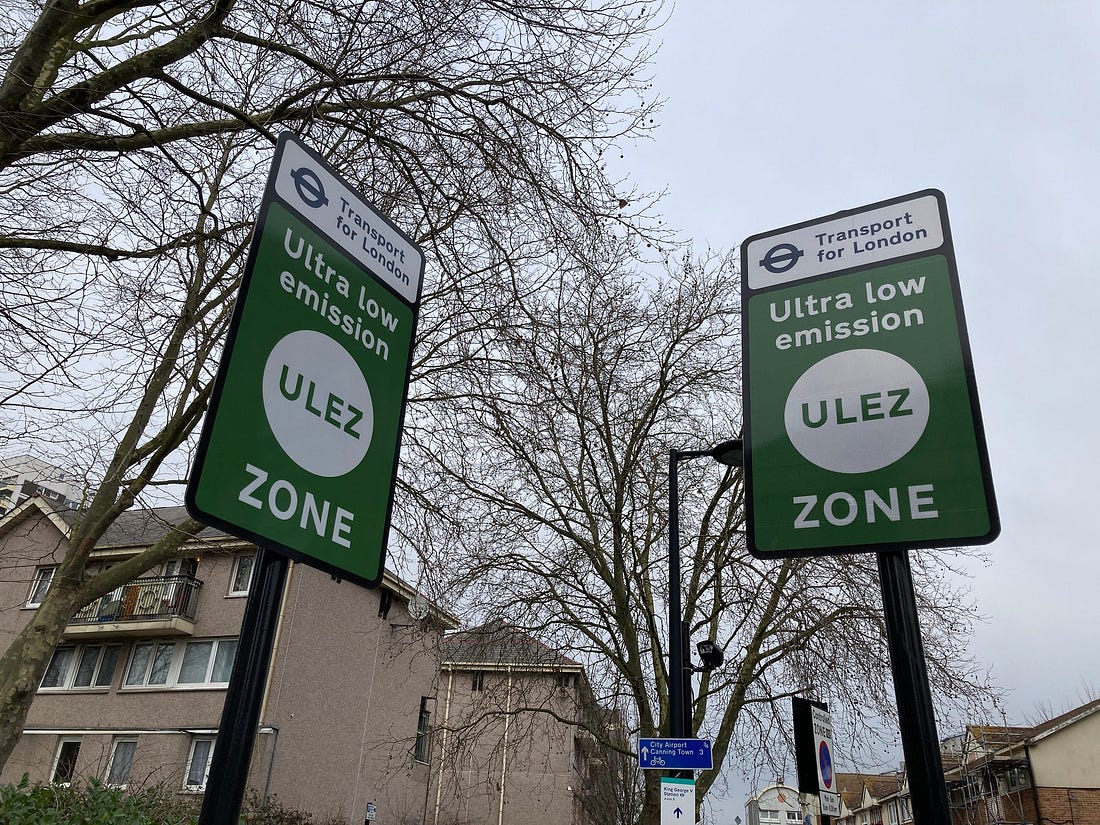
Ultimately, urban climate action centers on people. Far from compromising our quality of life, climate solutions actively enhance city living, generating local employment, clearing the air, and delivering the green public spaces every community wants.
Besides jeopardizing the well-being of these communities, inaction also presents significant financial risks.
It is well documented that the costs of inaction far exceed the expenses associated with implementing mitigation and adaptation strategies. The World Economic Forum, for instance, estimates that for every $1 spent on adaptation action now, there are avoided costs of $2-10 in the future.
Financing climate mitigation in cities is indispensable if we are to tackle the climate crisis rapidly, efficiently, and effectively. As Marco Zupi, Scientific Coordinator of the UN Local2030 Coalition Network, noted in a recent piece for Earth.Org:
What makes cities such demanding teachers is that they cannot wait. National governments can hide behind policy cycles; cities are judged every day. Either the water flows or it doesn’t; either the bus arrives or it doesn’t. That immediacy is why the city remains one of the clearest tests of how serious we are about sustainability.
The COP31 Presidency has already signaled that cities will be prominent in the summit’s agenda, announcing a global pledge to reduce energy consumption intensity in buildings by at least 25% by 2035. In Antalya, UN-Habitat will also set up a dedicated space for conversations around urban infrastructure, housing, and sustainable cooling.
For nations that have put cities at the heart of their climate goals, the immediate priority next month is turning broad pledges into fully funded, well-managed, and actionable reality.
At Sterling Publishing & Media Service Agency, we prioritise transparency and accountability in all our operations. We wish to clarify that we are not responsible for any external content, hyperlinks, or costs associated with our services. Nevertheless, we remain committed to delivering outstanding services and greatly value your continued support. Thank you for your trust in us.

