Ace Breaking News – Wales has not received any money from the UK government’s £2.5bn steel industry investment plan announced in February 2025, according to figures obtained through a Freedom of Information (FOI) request: by Catrin Haf Jones: Wales political correspondent

None of UK government’s £2.5bn steel package spent in Wales, figures show
The UK’s Department for Business, Innovation, Science and Trade confirmed that “the government has not spent, nor allocated, nor committed any money under the £2.5bn commitment in Wales”.
The FOI was obtained by the Liberal Democrats, whose Welsh leader David Chadwick said that Welsh Labour MPs needed to “demand a fair share for Welsh steel now, before their own government spends the rest”.
The UK government said it had “invested extensively to secure steelmaking” in Port Talbot.
The department’s FOI response noted that £751m had been invested in the nationalised British Steel site in Scunthorpe and another £172m spent stepping in to save Specialist Steel UK in south Yorkshire and the West Midlands.
Wales is home to Port Talbot’s Tata Steel site, the largest steelworks in the UK, which closed its last blast furnace in September 2024.
A new electric furnace is due to be up and running at the site by the end of 2027, but there are concerns it could now be delayed due to grid connection issues.
Speaking on 24 February 2025, following the announcement of the new steel investment plan, the then-Labour energy minister Sarah Jones said the £2.5bn “could benefit regions across the UK – like Scunthorpe, Rotherham, Redcar, Yorkshire and Port Talbot – which have a strong history of steel production”.
She added the money would be “spent on initiatives that would give the industry a long future – such as supporting the transition to electric arc furnaces or other improvements in UK capabilities”.
As of October, the UK government had spent £751m on sustaining British Steel in Scunthorpe, since ministers took it into full public ownership in July 2025.
But the National Audit Office warned in March that spending on the site could exceed £1.5bn by 2028.
The £172m spent on Specialist Steel UK has funded things such as ongoing site safety and wages, since the company entered liquidation in August 2026.
In September the UK government announced plans to nationalise the business, which has sites in south Yorkshire and the West Midlands.
In September 2024, Tata Steel in Port Talbot was promised a £500m subsidy from the UK government towards a new electric arc furnace, alongside a commitment by Tata Steel to invest £700m of its own money.
That investment was a conditional grant, not part of the £2.5bn steel industry investment fund announced in 2025.

In March 2026 Plaid Cymru MP Ben Lake asked how much of the £2.5bn steel industry fund would be spent in Wales, to which the then-minister in the Department for Business and Trade, Chris McDonald, said the Welsh secretary would have a role in attracting investment for Welsh steel projects.
“The National Wealth Fund will be the UK government’s main mechanism for providing financing for investment in the steel sector.
“Investment decisions are made by the National Wealth Fund on a case-by-case basis and it supports promising projects across the United Kingdom,” he said.
“Specifically for Wales, the Secretary of State for Wales will convene the National Wealth Fund and the private sector in a new initiative to help attract investment to Welsh steel projects, to support communities across Wales that rely on the industry.”
Chadwick said the lack of investment into Wales from the plan was “the latest in a long line of Labour betrayals of Wales”.
“Labour was happy to talk about saving Welsh steel when it wanted Welsh votes,” he said. “Now we know what those promises were worth.
“They’ll put Wales in the press release, pose in a hard hat in Port Talbot and tell us how much they care. Yet, so far, they haven’t delivered a single penny to Wales from their much-lauded steel fund.”
In response, a UK government spokesperson said it had “invested extensively to secure steelmaking in Port Talbot, in local jobs and in the future of the town.
“This includes £500m to support the £1.25bn transformation of Tata Steel Port Talbot into a modern electric arc steelworks, £102m direct government support for workers and businesses affected by Tata’s transition, £64m towards upgrading the port and £14.8m into town centre regeneration.
The spokesperson added the government had also committed to invest up to £2.5bn rebuilding the UK steel industry, including through the National Wealth Fund, “which welcomes applications that meet its criteria from companies in Wales and across the UK, and our steel strategy is also delivering for Welsh steelmakers”.
Not a penny of the UK Government’s £2.5bn steel fund has been spent in Wales, the department running it has confirmed, while waits for the furnace meant to bring steelmaking back by Author Kit Peters who is a journalist and the editor of Swansea Bay News, covering Swansea, Neath Port Talbot and Carmarthenshire since 2020: Published: 25th November 2026
£751m for British Steel and £172m for Speciality Steel UK
The £923m that has gone out so far has kept two steelmakers in England going, a Freedom of Information response shows.
The figures were obtained by the Welsh Liberal Democrats, whose leader says Labour’s Welsh MPs should be demanding a share.
In a reply dated 18 November, the Department for Business, Innovation, Science and Trade said that by 20 October it had spent £751m on British Steel and £172m on Speciality Steel UK.
The British Steel money went on working capital such as raw materials and wages, it said. The rest paid for the official receiver to keep Speciality Steel UK’s sites safe and run a sale of the business.
Together that is more than a third of the £2.5bn. On Wales, the department said the government “has not spent, nor allocated, nor committed any money” under the commitment.
Port Talbot’s £500m furnace grant is counted separately
That does not include the £500m grant towards Tata Steel’s electric arc furnace. The Lib Dems left it out of their request, and the department says the £2.5bn is on top of it.
The department said the £2.5bn is not a fund that firms bid for, and that it has neither asked for nor received applications from steel companies. It said the money is being delivered through direct support and the National Wealth Fund.
Chadwick tells Welsh Labour MPs to demand a fair share
Mr Chadwick, the MP for Brecon, Radnor and Cwm Tawe, accused Labour of talking about saving Welsh steel when it wanted Welsh votes.
Of Labour’s Welsh MPs, he said: “They need to grow a backbone and demand a fair share for Welsh steel now.”
When he became leader earlier this month, he said he had asked how much of the fund had been spent in Wales and had not been given a straight answer.
His party says Labour’s 2024 Welsh manifesto promised some of the £2.5bn to Wales, on top of the Port Talbot grant.
A minister said the Welsh Secretary would bring in steel investors
The Welsh Secretary is now Stephen Kinnock, whose Aberafan Maesteg seat takes in the steelworks.
In March, before he took the job, a business minister told Plaid Cymru MP Ben Lake the Welsh Secretary would bring the National Wealth Fund and private investors together to draw money into Welsh steel projects.
Government points to £64m for the port and £11m for Swansea University
A UK Government spokesperson told the BBC it had invested extensively in Port Talbot, listing the furnace grant, £102m for workers and businesses hit by Tata’s changes, £64m for the port and £14.8m for the town centre.
The spokesperson said the National Wealth Fund welcomed applications from companies in Wales.
In its reply to the Lib Dems, the department pointed to other money. Cardiff’s 7 Steel UK, formerly Celsa, has been awarded more than £20m from a separate fund for cutting energy use and emissions, it said.
Swansea University has £11m from a research council for a seven-year steel research hub called IGNITE, the department added.
Full spending figures held back until summer 2027
The department refused to hand over its own records of where the steel money has gone across the UK.
It said they will be published in its accounts in summer 2027, and that releasing them early would not be the best use of public resources.
From the last blast furnace in 2024 to a furnace now due in 2028 or 2029
Port Talbot’s last blast furnace was shut down on 30 September 2024, ending more than a century of traditional steelmaking in the town, with 2,800 jobs lost directly.
Tata said the furnaces had been losing about £1m a day.
Weeks later the company signed the contract for the replacement, an electric arc furnace that melts scrap using electricity. Tata put in £750m and the UK Government up to £500m.
Welcoming that deal, the then Business Secretary Jonathan Reynolds promised a steel strategy backed by up to £2.5bn.
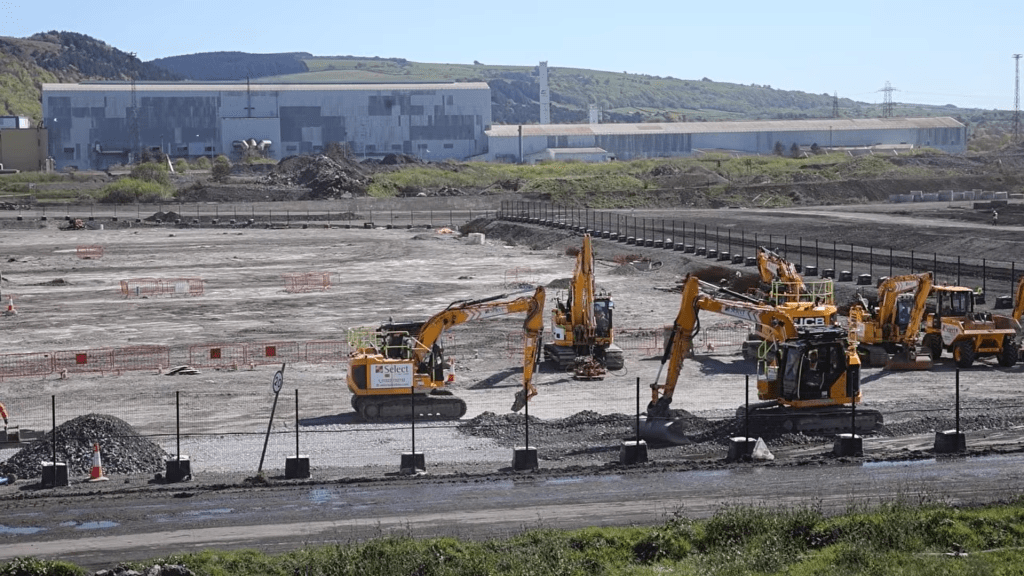
Ministers broke ground on the furnace in July 2025, when it was expected to be making steel by late 2027.
The strategy itself was launched at the Port Talbot works in March this year, with a promise of up to £2.5bn in further funding during this Parliament.
By June the furnace’s main parts had been built and were on their way to south Wales. That month it also emerged Tata had warned investors the power connection was running six to eight months late.
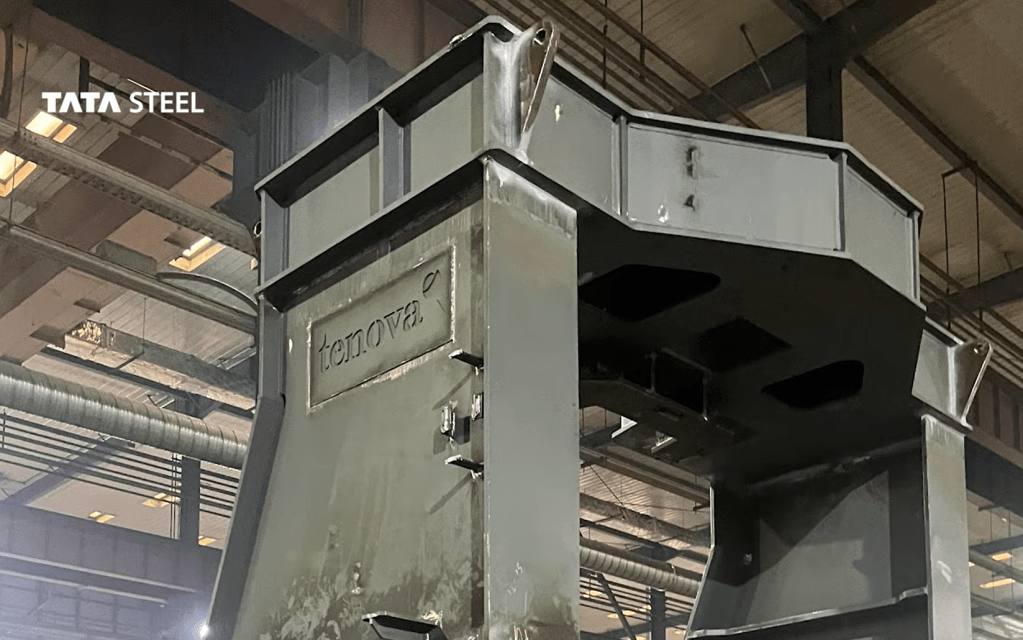
Tata is now understood to expect steelmaking to restart in late 2028 or early 2029. It is also reported to want hundreds of millions of pounds more from taxpayers, a request the government has paid accountants £1m to check.
At Sterling Publishing & Media Service Agency, we prioritise transparency and accountability in all our operations. We wish to clarify that we are not responsible for any external content, hyperlinks, or costs associated with our services. Nevertheless, we remain committed to delivering outstanding services and greatly value your continued support. Thank you for your trust in us.

