GlobalWarming & ClimateChange News Desk – Here is some handpick and explain the most important stories at the intersection of climate, land, food and nature over the past fortnight This edition of Cropped was written by Dr Giuliana Viglione, Ayesha Tandon and Josh Gabbatiss.
Cropped is edited by Dr Giuliana Viglione: Carbon Brief: www.carbonbrief.org
Snapshot
• Turkey held an “oceans and seas summit” as part of its COP31 preparations.
• El Niño has the potential to deepen a “hunger crisis”, said the UN.
• Carbon Brief explains the “gaps” in ocean protection.
• A new report found that 45% of migratory bird species are in decline.
• Human pressures contribute to infectious-disease outbreaks, said a new study.Key developmentsOceans rising
SEA SUMMIT: Turkey held an “oceans and seas summit” in Trabzon as part of the nation’s preparations for hosting the COP31 climate summit in November, reported the Daily Sabah. COP31 president-designate Murat Kurum stressed that oceans would be a priority in the summit’s “action agenda”. The Turkish presidency said it would work with Australia’s COP31 team – which will lead the formal negotiations – to elevate oceans, “including through engagement with the Pacific” at the “pre-COP” in Fiji, according to Climate Home News.
LOSS AND DAMAGE: Carbon Brief has published an explainer detailing how sea level rise threatens everything from coral reefs to coastal heritage sites. Meanwhile, as a UN “loss and damage” committee met in the Marshall Islands capital of Majuro, government official Jerolynn Myazoe stated the nation was “already seeing” the impacts of rising seas, according to the Pacific News Service.
FISH AND SPONGES: The Guardian reported on nine new species of Alaskan deep-sea sponge, noting that “their habitat is threatened by bottom trawling” and US plans to “expand seafloor mining”. A new report by the Blue Marine Foundation concluded that “political decisions” in the UK have brought fish populations “to the point of collapse”. Meanwhile, the Scottish government has “opened a consultation” on fisheries management within the nation’s marine protected areas, said Oceanographic.Super El Niño
HUNGER CRISIS: An expert from the UN World Food Programme (WFP) has warned that El Niño is deepening a “hunger crisis” in South Sudan, according to UN News. Separately, the Guardian reported that, according to WFP, “about 50 million people will probably be pushed into acute hunger” due to the phenomenon. RFI reported that “drought has destroyed maize and bean crops” in central America, while “in Peru, unusually warm waters have driven anchovies away from the coast”. Carbon Briefanalysis showed that the ongoing El Niño has already entered “record-breaking territory”.
END OF ABUNDUNCE: The Observer reported that the “sense of food abundance” enjoyed by UK consumers could be threatened by El Niño. According to the outlet, “suppliers in the UK rely on switching [their imports] between countries as seasons shift in order to keep shelves stocked all year round, but El Niño is disrupting that planning”. Separately, Food Navigator outlined “which food commodities are threatened most” by the climate pattern.News and views
- BAD NEWS BIRDS: The latest “State of the World’s Birds” report found that “45% of migratory bird species are in decline, with 11% threatened with extinction”, according to Mongabay. The outlet warned that “invasive species, agricultural expansion, climate change, residential and commercial development and hunting” threaten bird species.
- LAND DEFENDERS: The Global Witness land defenders report found that “at least 124 land and environmental defenders were killed in 2025”. The Guardiannoted that Latin America “accounted for 85% of last year’s deaths of people trying to protect forests, rivers and other ecosystems”.
- FOOD RESILIENCE: “Agri-food companies, farmers and governments are already paying for the physical impacts of climate and nature on agricultural supply chains,” according to a report from the Food and Land Use Coalition. The report warned that investment is needed to build the resilience of agricultural systems.
- REGENERATIVE RISE: India’s “agricultural carbon market” has distributed around $300,000 between 2,550 small farmers “through digital payments for adopting regenerative farming practices”, according to Telangana Today. Meanwhile, Civil Eats reported on a consumer survey showing rising awareness of regenerative farming in the US.
- AMAZON ELECTION: Ahead of the Brazilian presidential election, Sentientstated that “deforestation is on the ballot”. Incumbent president Luiz Inácio Lula da Silva will likely face off directly against rightwing senator – and former president Jair’s son – Flávio Bolsonaro.
- BIG CHANGES: “Planetary life support systems” have deteriorated to their “worst levels ever recorded”, based on seven indicators, including climate change, land-system change and freshwater change, according to the Guardian.
SpotlightThree critical ‘gaps’ in ocean protection
This week, Carbon Brief covers the new “Ocean Protection Gap” report, which examines the state of global marine protection.
Ocean protection is “rising”, but will still fall short of the world’s 2030 target without “rapid progress”, according to the new “Ocean Protection Gap” report.
The report is one of two published today that assessed the world’s progress towards its “30 by 30” target – a pledge to protect 30% of the world’s land and seas by 2030.
Every country in the world, except for the US and the Holy See, signed on to the 30 by 30 pledge as part of the Kunming-Montreal Global Biodiversity Framework in 2022.
The two reports were covered in the global news media, including by Reuters, Deutsche Welle and a column in Time by Danny Faure, former president of the Seychelles.
Here, Carbon Brief unpacked the three key “gaps” – ambition, implementation and finance – identified in the report.
Ambition
The report found that just under half of coastal countries have set quantified, time-bound targets towards achieving 30 by 30 in their territorial waters – with 22 countries setting their targets within the last year.
One-quarter of the remaining 84 countries have set targets that are either not quantified, not time-bound, or both.
However, even if countries were to meet their formal ocean-protection targets by 2030, this would still only account for around 26% of national waters – and just 12% of the global ocean.
This is significantly smaller than the area of land and inland waters that is already protected, noted the report.
Since the “high seas”, or waters outside of national jurisdiction, make up nearly two-thirds of the global ocean, “achieving 30 by 30 is all but impossible…without rapid progress” there, it added.
Implementation
However, even if these area-based targets were to be achieved, said the report, this alone is “no longer a sufficient measure of progress”.
Many areas that are reported as protected still allow for damaging practices, such as industrial fishing, seabed mining or fossil-fuel exploration. This leaves the area of ocean that is effectively protected “concerningly low”, said the report.
This shows that “designation alone does not guarantee biodiversity outcomes”, it added.
The converse of this is that some areas that are not formally recognised as protected – known as “other effective area-based conservation measures”, or OECMs – can contribute to achieving biodiversity goals, but are generally not included in global protected-area statistics.
OECMs can include Indigenous territories, natural-heritage sites and protected watersheds. They differ from protected areas in that conservation is not necessarily the primary goal of the area.
Properly accounting for the contributions of Indigenous peoples’ lands and waters to the 30 by 30 target will be one of the key topics discussed at the UN biodiversity summit in Yerevan, Armenia, next month.
Finance
Access to finance is still the “biggest constraint on delivering effective protection” for the oceans, according to the report.
This is despite the economic benefits that ocean protection can bring, it added: protecting coastal wetlands and seagrass meadows, along with helping fish stocks recover, could generate an estimated $85bn annually by 2050.
While finance for global ocean protection has increased by around 50% over the last year, to $1.8bn, it is still less than one-tenth of the estimated need. The amount spent on ocean protection also pales in comparison to the amount spent each year on subsidising harmful fishing practices, added the report:
“The finance required is modest relative to the value at stake and to the public money still supporting ocean degradation.”
Watch, read, listen
SEAWEED ‘SUPERBLOOM’: A feature in Yale Environment 360 explored the “great Atlantic sargassum belt” – a nearly 9,000km-long “superbloom” of seaweed stretching from Mexico to west Africa.
FIRE PATROL: A short film by Mongabay titled “Before The Fire” followed community patrols’ efforts to stop forest fires in the Indian village of Tiriya, Chhattisgarh state.
HURRICANE DAMAGE: After Hurricane Melissa last year, Haitians have been forced to turn fruit trees into charcoal to support themselves, according to Dialogue Earth.
‘DYING CATS’: The Caravan investigated the “dying cats and dubious science of Project Cheetah”, a government-backed effort to establish a cheetah population in India.
New science
- Human pressures, including deforestation, global warming and agricultural intensification, can all contribute to outbreaks of emerging infectious diseases, with impacts that “vary widely” | Nature
- There are three main framings for agrivoltaics in the US media: “as a ‘win-win’ for farmers and local economies, a threat to farming and the rural community, and as an imperfect compromise” | Energy Research and Social Science
- Both afforestation and reforestation can increase soil carbon storage and support soil microbial growth, but the former “has the potential” for more soil microbes and greater carbon storage | Nature Ecology and Evolution
- Avoiding deforestation is the most effective and cost-effective solution for carbon storage in the Brazilian Amazon, whereas avoiding disturbances such as fire and logging have the most benefits for biodiversity | Science
Noticeboard
- 22 September-2 October: UN General Assembly, New York
- 20-27 September: Climate Week NYC, New York
- 29 September: International Day of Awareness of Food Loss and Waste, Rome
- 30 September: Media accreditation closes for UN biodiversity COP17, Yerevan, Armenia
- 5 October: Postdoctoral scholar in wetland biogeochemistry modelling at the University of Copenhagen | Salary: Unknown. Location: Copenhagen, Denmark
- 5-9 October: Nairobi Convention on western Indian Ocean conservation COP12, Dar es Salaam, Tanzania
- 18 October: PhD candidate in Southern Ocean ecological modelling at the University of Amsterdam | Salary: €3,204-4,051 per month. Location: Amsterdam
New on Carbon Brief
Explainer: How sea level rise poses an ‘existential threat’ to humans, heritage and nature
Ahead of a UN meeting on the subject, Carbon Brief explained how sea level rise is posing an “existential threat” to ecosystems and societies around the world.
Analysis: ‘Super El Niño’ reaches ‘remarkable’ all-time record
Carbon Brief unpacked why this year’s so-called “super El Niño” is entering record-breaking territory.
DeBriefed: ‘Fresh wave’ of oil attacks | India power emissions ‘flatline’ | Scotland’s wildfires
The online version of Carbon Brief’s weekly DeBriefed email newsletter. Subscribe for free.
Analysis: Global fossil-fuel emissions set to fall in 2026 amid Hormuz crisis
Global fossil-fuel emissions are set to fall by around 0.5% in 2026 amid the fallout from the Hormuz crisis, according to Carbon Brief analysis.
Cited: Temperature ‘overshoot’ | World’s warmest month | ‘Catastrophic’ 1877-78 El Niño
The online version of Carbon Brief’s Cited newsletter, your essential guide to the latest climate research. Sign up for free.
El Niño: Indonesia fire emissions in 2026 ‘on track’ to match record for this century
Carbon Brief explored data from the Global Fire Emissions Database, which revealed that, as of 7 September, fires in Indonesia produced 76m tonnes of carbon (MtC) in 2026.
Guest post: How extreme heat is ‘creeping’ from summer into autumn and spring
A Carbon Brief guest post explained new research that showed that extreme heat is “creeping” into autumn and spring.
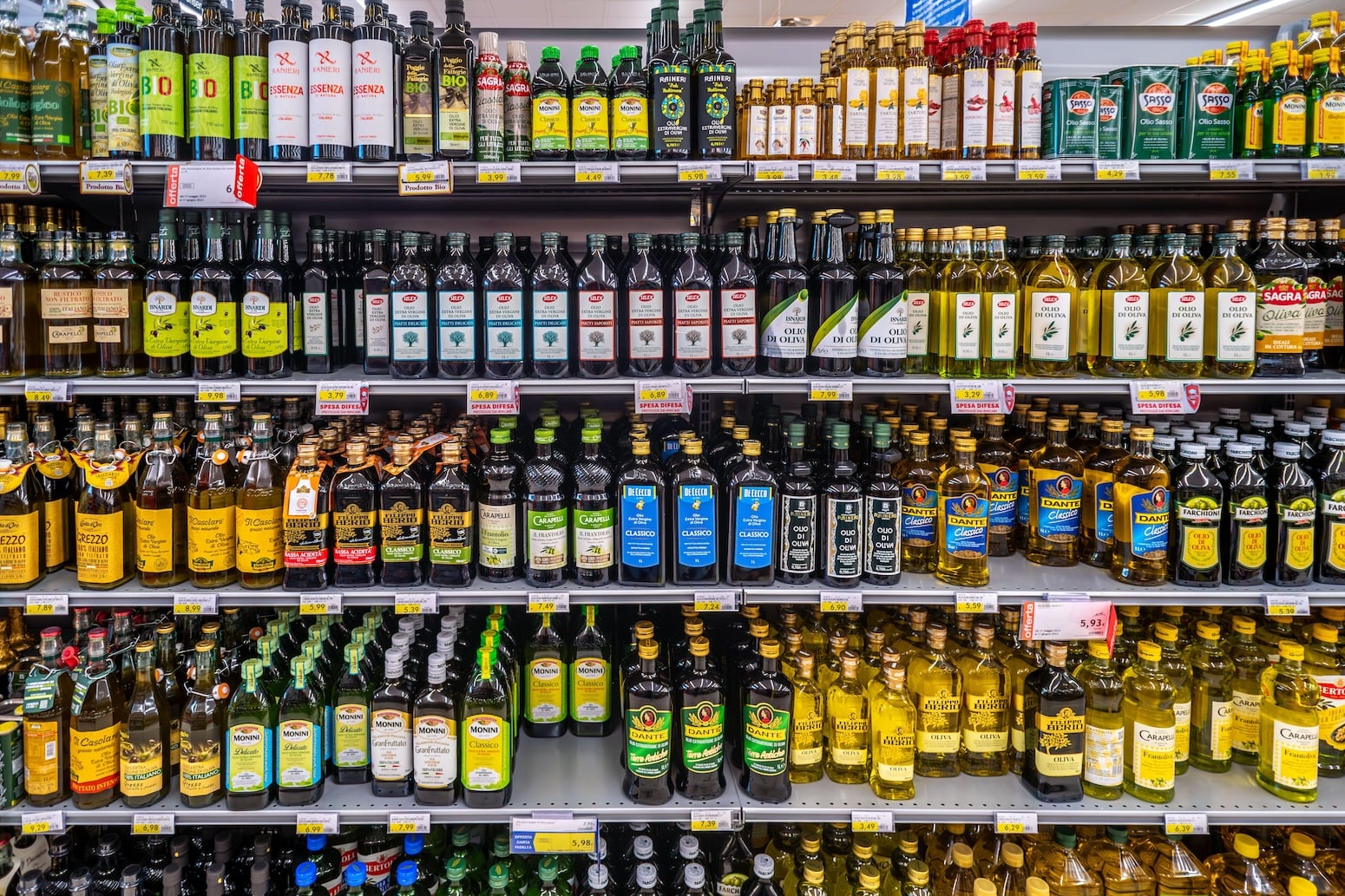
Carbon Brief showed five ways that climate change was causing food prices to spike around the world in 2024: From the archives: Five charts: How climate change is driving up food prices around the world
At Sterling Publishing & Media Service Agency, we prioritise transparency and accountability in all our operations. We wish to clarify that we are not responsible for any external content, hyperlinks, or costs associated with our services. Nevertheless, we remain committed to delivering outstanding services and greatly value your continued support. Thank you for your trust in us.

